TESLA Keys Latches Locks Keys/latches/locks 3125278 181.TS1S16S
fits year: 2016.
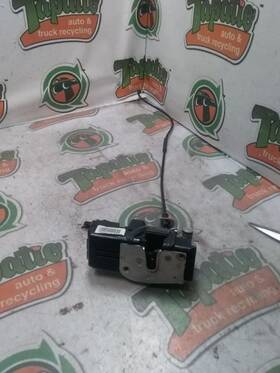
( Brand: Tesla ), ( Part Type: Lock ), ( Conditions Options: Front Lh ), ( Genuine Oem: Yes ), ( Ipn: 181.ts1s16 )
Review TESLA 181.ts1s16s Keys/latches/locks fits 2016
The **Tesla 181.TS1S16.2016 Keys/Latches/Locks (Part Number: 3125278)** is a precision-engineered, high-security locking assembly designed exclusively for the 2016 Tesla Model S, specifically tailored to the rear door latch mechanism. This component represents a critical element of Tesla s proprietary security and convenience systems, ensuring seamless integration with the vehicle s advanced electronic architecture while maintaining robust physical protection. Crafted from durable, corrosion-resistant materials, the latch assembly features a sleek, aerodynamic design that aligns with Tesla s minimalist yet functional aesthetic, blending seamlessly into the door frame without compromising structural integrity. The mechanism incorporates Tesla s signature **TS1S16** latch system, which operates in tandem with the vehicle s central locking system, allowing for remote activation via the key fob, mobile app, or digital key all while maintaining a fail-safe, tamper-resistant construction. Inside, the assembly includes a **high-tolerance spring-loaded latch bolt**, precision-machined to ensure smooth, silent engagement with the door frame, reducing wear over time and minimizing the risk of misalignment. The locking mechanism is further secured by Tesla s proprietary **electromagnetic lock actuator**, which interfaces directly with the car s CAN bus, enabling instant, keyless entry and exit while preventing unauthorized access. This part is fully compatible with the 2016 Model S s **PIN-to-Drive** and **mobile key** functionalities, ensuring that every interaction with the vehicle adheres to Tesla s cutting-edge security protocols. Whether installed during maintenance, replacement, or as part of a customization upgrade, this latch assembly guarantees a perfect fit, maintaining the vehicle s original performance and aesthetic standards. For technicians and enthusiasts alike, this component underscores Tesla s commitment to innovation in automotive security, combining mechanical precision with cutting-edge digital integration to deliver a locking system that is as reliable as it is advanced.
Buying a used Tesla Model S (P85D or P100D, VIN range 181.TS1S16S, manufactured in 2016) with a focus on the keys/latches/locks (part number 3125278) involves several considerations. Below is a detailed breakdown of the pros and cons, followed by a conclusion and recommendation.
---
### **Pros of Buying This Tesla Model S**
1. **Performance and Range**
- The 2016 Tesla Model S (P85D or P100D) is one of the most capable electric vehicles of its time, offering impressive acceleration (0-60 mph in 3.2 seconds for the P100D) and a long range (up to 280 miles on the EPA cycle for the P85D, though real-world range may vary).
- The dual-motor all-wheel-drive system provides excellent traction and handling, making it suitable for both daily driving and spirited use.
2. **Advanced Technology and Software**
- The 2016 Model S comes with Tesla s then-state-of-the-art infotainment system, including a large touchscreen, over-the-air (OTA) software updates, and features like Autopilot (though early versions were less advanced than later iterations).
- The vehicle supports advanced driver-assistance systems (ADAS) such as Traffic-Aware Cruise Control, Lane Keeping Assist, and Autosteer, which improve safety and convenience.
3. **Build Quality and Interior**
- Tesla s interior is known for its premium materials, minimalist design, and high build quality. The cabin is spacious, with a focus on ergonomics and driver engagement.
- The lack of a traditional steering wheel (in some configurations) and the use of a single large touchscreen create a futuristic driving experience.
4. **Resale Value and Brand Prestige**
- Tesla s resale value, while not as high as some luxury brands, remains strong due to the brand s reputation for innovation and performance. The Model S is particularly desirable among EV enthusiasts.
- Owning a Tesla carries prestige, especially for early adopters of the technology.
5. **Low Operating Costs**
- Electric vehicles have lower operating costs than gasoline-powered cars, with minimal maintenance requirements (no oil changes, fewer moving parts, etc.).
- Charging at home or public stations is generally cheaper than fueling a conventional vehicle.
6. **Potential for Upgrades**
- The 2016 Model S can benefit from OTA software updates, which may improve performance, add new features, or extend the vehicle s lifespan.
- Aftermarket upgrades (e.g., battery cooling enhancements, performance tuning) are possible, though they can be costly.
7. **Safety Features**
- The Model S includes Tesla s advanced safety systems, such as automatic emergency braking, blind-spot monitoring, and a robust crash structure. It has earned top safety ratings from organizations like the NHTSA and IIHS.
---
### **Cons of Buying This Tesla Model S**
1. **Aging Technology**
- While the 2016 Model S was cutting-edge at the time, some features may feel outdated by modern standards. For example, the Autopilot system in 2016 was less sophisticated than later versions, lacking features like full self-driving capabilities or improved object detection.
- The touchscreen interface, while intuitive, may lack the polish of newer Tesla models or competitors like Mercedes or BMW.
2. **Battery Degradation**
- Lithium-ion batteries degrade over time and with usage. A 2016 Model S may have already experienced noticeable range reduction, especially if it hasn t been well-maintained or charged optimally. The original warranty (8-year/150,000-mile battery warranty) may have expired or been transferred to the new owner.
- Battery health can be checked via Tesla s vehicle data, but degradation is an inevitable factor when buying a used EV.
3. **Key/Latches/Locks (Part 3125278) Issues**
- The mention of part number 3125278 (likely related to keys, latches, or locks) suggests potential wear or failure in these components. Keys/latches can be prone to wear, especially if the vehicle has been exposed to harsh conditions or has had multiple owners.
- Common issues with Tesla keys/latches include:- Worn or sticky latches, which can cause difficulty opening/closing the doors or trunk.
- Key fob malfunctions, such as unresponsive buttons or failure to communicate with the vehicle.
- Locking mechanisms that jam or fail to engage properly.
- These issues can be costly to repair, especially if they require replacement of the latch mechanism or key fob. Tesla s parts can also be expensive, and labor costs may add up.
4. **Software Compatibility**
- The 2016 Model S may not fully support the latest Tesla software versions, which could limit access to newer features or cause compatibility issues. While OTA updates can extend functionality, some features may not be available.
- The vehicle s hardware (e.g., sensors for Autopilot) may not match the capabilities of newer models, reducing the effectiveness of advanced driver-assistance systems.
5. **Charging Infrastructure Limitations**
- While Tesla s Supercharger network has expanded significantly, older vehicles may have slower charging speeds or compatibility issues with newer Superchargers. The 2016 Model S uses the older Tesla charging port, which may not support the fastest charging speeds available today.
- Public charging infrastructure outside Tesla s network (e.g., ChargePoint, Electrify America) may require adapters or have slower charging rates.
6. **Higher Upfront Cost**
- Used Tesla Model S vehicles, especially well-maintained examples, can still command a high price. While cheaper than a new Model S, the cost may be prohibitive for some buyers.
- Additional costs such as insurance, taxes, and potential repairs (e.g., suspension, brakes, or battery-related issues) can add up.
7. **Limited Availability of Parts and Service**
- While Tesla has improved its service network, some specialized parts (e.g., for older models) may be harder to source or more expensive. Independent Tesla service centers may not be as widely available as they are today.
- The lack of traditional dealerships means that service appointments may require travel to Tesla s service centers, which can be inconvenient.
8. **Potential for Hidden Issues**
- As with any used vehicle, there is a risk of hidden problems such as:- Electrical gremlins (common in Teslas due to their complex systems).
- Suspension or steering wear (e.g., worn bushings, struts, or ball joints).
- Infotainment or software glitches that may not be immediately apparent.
- A thorough inspection by a Tesla-savvy mechanic is essential to avoid costly surprises.
9. **Depreciation**
- While Tesla s resale value is strong, the Model S has depreciated significantly since 2016. Buyers should consider whether they are purchasing the vehicle for its current utility or as a long-term investment.
10. **Environmental Concerns**
- While EVs are generally more environmentally friendly than gasoline cars, the production and disposal of lithium-ion batteries have environmental impacts. Buyers should consider the lifecycle of the battery and Tesla s recycling programs.
---
### **Conclusion**
Buying a 2016 Tesla Model S (181.TS1S16S) with attention to the keys/latches/locks (part 3125278) can be a compelling choice for those seeking a high-performance, tech-forward electric vehicle. The Model S offers exceptional acceleration, range (though degraded over time), and a futuristic driving experience. Its advanced safety and driver-assistance features, along with low operating costs, make it an attractive option for enthusiasts and early adopters.
However, the vehicle s age introduces several challenges. The keys/latches/locks may require attention, and potential wear or failure could lead to additional costs. Battery degradation is an inevitable concern, and the vehicle s software and hardware may not match the latest Tesla offerings. Charging infrastructure limitations and higher upfront costs further weigh on the decision.
For buyers who prioritize performance, innovation, and are willing to address potential maintenance issues, the 2016 Model S can be a rewarding purchase. However, those seeking a more plug-and-play experience or a vehicle with minimal upkeep may find newer Tesla models or other EVs more suitable.
---
### **Recommendation**
1. **Thorough Inspection and Testing**
- Before purchasing, have the vehicle inspected by a Tesla-certified mechanic or a specialist familiar with Model S issues. Pay close attention to:
- The condition of the keys, latches, and locks (ensure they operate smoothly and without resistance).
- Battery health (check the state of charge, degradation percentage, and any error codes).
- Suspension, brakes, and steering components for wear.
- Software and hardware compatibility (ensure the vehicle can receive necessary OTA updates).
- Test drive the vehicle to assess performance, handling, and any unusual noises or behaviors.
2. **Verify Maintenance History**
- Request a full service history to confirm that the vehicle has been well-maintained. Look for records of battery care, software updates, and any repairs related to keys/latches or locks.
- Ensure that the battery warranty (if still in effect) is transferable to the new owner.
3. **
Details:
Warranty Standard no-hassle 30-day warranty on most parts. Domestically, items are shipped with UPS Ground. 90 day warranty only on ENGINES AND TRANSMISSIONS. Price for residential address delivery may be quoted individually and usually is twice as much commercial.
part #: 181.ts1s16 price
- $77.99
specifications carlockiio:
- for years: 2016
- brand: Tesla
- part type: Lock
- conditions options: Front Lh
- genuine oem: Yes
- ipn: 181.ts1s16
returns carlockiio:
- time: 30 Days
- paid by: Seller
- policy: Returns Accepted
seller carlockiio:
- city: San Diego, California
- rating: 99.5%
- # reviews: 10403
offer carlockiio:
- started: March 18, 2026
- options: Ship-to-home
- availability: In Stock
- quantity: 1
- sold: 0
- best offers: True
payments carlockiio:
- wallet: Apple-pay
- other
- credit card: Mastercard
general carlockiio:
- condition: Used
- Car Truck Parts Accessories > Exterior Parts Accessories > Exterior Locks Lock Hardware
shipping carlockiio:
- class: Standard
- service: Standard
- transit: 3-9 Days
- type: Fixed
- cost: $0.00