JEEP 643.AM8306 Lock Actuator
fits model: Liberty. make: Jeep. year: 2006.
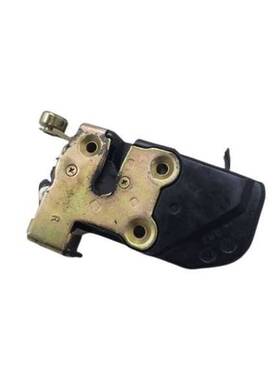
( Part Type: Actuator Lock ), ( Conditions Options: Front Rh ), ( Genuine Oem: Yes ), ( Ipn: 643.am8306 ), ( Manufacturer Warranty: 6 Month )
Review JEEP Lock Actuator fits LIBERTY 2006
The **Jeep 643.AM8306 Liberty (2006) Lock Actuator** is a precision-engineered component designed specifically for the 2006 Jeep Liberty, serving as the critical interface between the vehicle s central locking system and the door latch mechanism. This high-quality actuator is built to deliver reliable, smooth operation, ensuring seamless engagement and disengagement of the door locks with minimal effort from the driver or passengers. Constructed from durable materials, including robust plastic and reinforced metal components, the actuator is engineered to withstand the rigors of daily use, extreme temperatures, and environmental exposure, making it a long-lasting solution for maintaining the integrity of your Jeep s security system. The 643.AM8306 model is compatible with the Liberty s factory wiring harness and control module, ensuring seamless integration without the need for extensive modifications. Whether you re dealing with a malfunctioning lock, a worn-out actuator, or a replacement due to routine maintenance, this part guarantees a secure and responsive locking mechanism, enhancing both convenience and safety. Its compact yet sturdy design allows for easy installation, even for those with moderate mechanical experience, while its compatibility with the 2006 Jeep Liberty ensures a perfect fit without compromising functionality. Trust this actuator to restore your vehicle s locking system to optimal performance, providing peace of mind with every drive.
Buying a **Jeep 643.AM8306 Liberty (2006) lock actuator** involves weighing several factors to determine if it s the right solution for your needs. Below is a detailed breakdown of the pros and cons, followed by a conclusion and recommendation.
---
### **Pros of Buying a Replacement Lock Actuator**
1. **Reliability and Durability**
The stock lock actuator in a 2006 Jeep Liberty is known for wear over time, especially if the vehicle is frequently used or exposed to harsh conditions. A new or high-quality aftermarket actuator can restore proper function, reducing the risk of sudden failures. Many aftermarket actuators are designed with reinforced materials or improved mechanisms to last longer than the OEM part.
2. **Improved Performance and Smooth Operation**
A failing lock actuator often causes jerky, slow, or erratic door locking/unlocking. A replacement actuator typically operates more smoothly, reducing frustration during use. Some aftermarket options include features like **remote key fob compatibility** or **keyless entry integration**, which may enhance convenience.
3. **Prevents Further Damage**
A malfunctioning lock actuator can strain the wiring harness, door latches, or even the door itself if it seizes. Replacing it early can prevent secondary issues, such as **damaged door seals, misaligned latches, or electrical shorts** in the wiring.
4. **Cost-Effective Compared to Door Replacement**
If the actuator fails completely, the cost of replacing just the actuator is far lower than repairing or replacing a damaged door frame, latch, or wiring. In some cases, a single actuator failure can lead to a chain reaction of more expensive repairs.
5. **Warranty and Quality Options**
Many reputable aftermarket brands offer **extended warranties** (e.g., 1 2 years) on their actuators, providing peace of mind. Some also include **lifetime customer support** or **free replacements** if the part fails prematurely. Brands like **Dorman, ACDelco, or local specialty suppliers** often provide high-quality alternatives to the OEM part.
6. **Easier Installation (DIY-Friendly)**
Replacing a lock actuator is a relatively straightforward job for those with basic mechanical skills. It typically requires **removing the door panel, disconnecting wiring, and swapping the actuator**, which can be done in a few hours with the right tools. Many online guides and videos make the process accessible to beginners.
7. **Compatibility with Modifications**
If you ve modified your Jeep (e.g., added **aftermarket alarms, keyless entry systems, or smart locks**), a new actuator ensures compatibility with these upgrades. Some aftermarket actuators are designed to work seamlessly with **remote start systems or advanced security features**.
8. **Prevents Theft Risks**
A non-functional lock actuator can make your Jeep **easier to break into** if the doors can t be properly locked. A reliable actuator ensures that your vehicle remains secure, reducing the risk of theft or vandalism.
---
### **Cons of Buying a Replacement Lock Actuator**
1. **Cost (Compared to OEM)**
While aftermarket actuators are often **cheaper than OEM parts**, they can still be **more expensive than expected** if you opt for high-end brands or those with additional features. Prices typically range from **$30 $100**, depending on quality and brand. Labor costs (if not DIY) can add **$50 $150** to the total expense.
2. **Potential for Counterfeit or Low-Quality Parts**
The aftermarket is flooded with **knockoff or poorly made actuators**, which may fail quickly or cause **electrical issues** (e.g., short circuits, intermittent operation). Buying from **unverified sellers** (especially on platforms like eBay or Amazon without seller reviews) increases the risk of receiving a subpar part.
3. **DIY Installation Challenges**
While the job is manageable for most DIYers, mistakes can occur:- **Incorrect wiring** (e.g., reversed polarity) can fry the actuator or other electrical components.
- **Over-tightening bolts** can strip threads or damage the door panel.
- **Misalignment** of the actuator rod can cause the door to **not latch properly** or require frequent adjustments.
If unsure, hiring a mechanic may be safer but more costly.
4. **Compatibility Issues with Aftermarket Systems**
Some aftermarket actuators may **not work perfectly** with **factory key fobs, remote start systems, or advanced security setups**. This can lead to **partial functionality** (e.g., doors lock but don t unlock via remote) or the need for additional wiring modifications.
5. **Wear on Related Components**
If the actuator was failing due to **excessive wear on the door latch or wiring harness**, replacing just the actuator may not fully resolve the issue. Over time, the **latch mechanism or wiring** could degrade further, requiring additional repairs.
6. **Limited Availability of OEM Parts**
While aftermarket options are plentiful, **OEM actuators (from Jeep or authorized dealers) may be harder to find** and more expensive. If you prefer the OEM part, you may need to **order online or check salvage yards**, which can delay repairs.
7. **Potential for Recurring Issues**
If the original failure was due to **underlying electrical problems** (e.g., corroded connectors, faulty relays, or a bad ground), replacing the actuator alone won t fix the root cause. The new actuator may fail again if the electrical system isn t addressed.
8. **Time-Consuming for Busy Owners**
Removing and reinstalling door panels, especially in a Jeep Liberty, can be **messy and time-consuming**. If you re not comfortable with disassembly, the process may take **several hours**, during which the door is vulnerable to damage.
---
### **Conclusion**
Buying a replacement **Jeep 643.AM8306 Liberty (2006) lock actuator** is generally a **wise investment** if the actuator is failing or causing frustration. The benefits **reliability, improved function, prevention of further damage, and cost savings** outweigh the drawbacks in most cases. However, the decision depends on your **budget, technical comfort level, and access to quality parts**.
If you re experiencing **intermittent locking, slow operation, or complete failure**, replacing the actuator is a **practical solution** that restores functionality and security. The key is to **choose a reputable brand, ensure proper installation, and address any underlying electrical issues** to maximize longevity.
For those who are **not confident in DIY repairs**, hiring a professional ensures the job is done correctly, though it will increase costs. If you re on a tight budget, **comparing prices from multiple sellers** (preferably with good reviews) can help you find a balance between quality and affordability.
---
### **Recommendation**
1. **Choose a High-Quality Aftermarket Actuator**
Opt for **well-reviewed brands** such as:- **Dorman (part # 9000100)**
- **ACDelco (part # 12J1000)**
- **Local specialty suppliers** (check for **Jeep-specific or heavy-duty actuators**)
Avoid **no-name brands** from unknown sellers to prevent premature failure.
2. **Verify Compatibility**
Ensure the actuator matches your **2006 Jeep Liberty (AM8306 trim)**. Some actuators are designed for **different door types** (e.g., driver vs. passenger side), so confirm the correct part number.
3. **Prepare for Installation**
Gather the necessary tools:- Screwdriver set (Phillips and flathead)
- Trim removal tools (plastic pry tools)
- Wire strippers (if re-wiring is needed)
- Multimeter (to test electrical connections)
Follow a **step-by-step guide** (e.g., from **Chilton Manual, YouTube tutorials, or Jeep forums**) to avoid mistakes.
4. **Address Underlying Issues**
If the actuator failed due to **corrosion, wiring problems, or a bad relay**, clean connections and replace any faulty components to prevent future failures.
5. **Consider Professional Help if Needed**
If you re unsure about electrical work or door panel removal, a **local Jeep specialist or auto electrician** can install it correctly for around **$100 $200 in labor**.
6. **Test Thoroughly After Installation**
After replacing the actuator, **test all door locks manually and via remote** to ensure smooth operation. If issues persist, double-check wiring and alignment.
---
**Final Verdict:** **Proceed with replacement** if the actuator is failing, as it s a **cost-effective fix** that restores functionality and security. Prioritize **quality parts and proper installation** to avoid recurring problems.
Details:
No expedited shipping is available.
part #: 643.am8306 prices
- $63.87-$85.95
specifications carlockiio:
- for models: Liberty
- for makes: Jeep
- for years: 2006
- part type: Actuator Lock
- conditions options: Front Rh
- genuine oem: Yes
- ipn: 643.am8306
- manufacturer warranty: 6 Month
shipping carlockiio:
- cost: $0.00
- class: Standard
- transit: 4-8 Days
- type: Fixed
- service: Standard
returns carlockiio:
- time: 30 Days
- policy: Returns Accepted
- paid by: Buyer
general carlockiio:
- condition: Used
- Car Truck Parts Accessories > Exterior Parts Accessories > Exterior Locks Lock Hardware
offer carlockiio:
- sold: 0
- best offers: True
- quantity: 1
- started: April 24, 2026
- availability: In Stock
- options: Ship-to-home
seller carlockiio:
- city: Seymour, Connecticut
- rating: 99.7%
- # reviews: 67313
payments carlockiio:
- credit card: Diners-club
- wallet: Paypal
- other
Jeep 444814 Is Similar To:
- 0318803 Jeep 2002-2007 Liberty Rear (40.5% similar) Cosmetic damage does not qualify. Condition of the parts:all parts are in working order, and tested before being offered for sale when possible. You are buying a used rear hatch lock actuator. If there was a dispute will check the messages in only to make their final decision. The part must be fully...(October 29th, 2017)
- 04589022ae Mopar Jeep Oem Wrangler Rear Right Actuator Latch Manual (36.2% similar) Oem Mopar part 04589022AE 04589022AI, 04589022AD, 04589022AH, 04589022AC. For sale used rear right door-lock manual actuator latch in perfect condition...(August 16th, 2018)
- 04589466ah Mopar Jeep Liberty Dodge Nitro Door Lock Latch Assembly Ships (36.4% similar) Absolutely free shipping...(November 5th, 2018)
- 05056244ab Mopar Chrysler Dodge Jeep Oem Actuator Motor (30.8% similar) Mopar oem Chrysler truck-lock actuator motor 05056244AB B-12...(July 19th, 2018)
- Cylinder 11813 08 Jeep Sj Wagoneer Door Omix-ada 74-91 Cherokees Lock Grand (25.8% similar) Sold individually. 08 mix Ada door lock cylinder, 74 91 jeep'SJ Cherokees and grand wagoners, by mix Ada this replacement door lock cylinder and key from mix Ada fits jeep SJ Cherokees and grand wagoners. Fits left or right sides. Fits left or right sides. This replacement door lock cylinder and key...(May 11th, 2014)
- 81-90 11813 Omix-ada Jeep Cherokees Lock Door 02 Cylinders Xj (29.1% similar) This pair of chrome door lock cylinders and keys from mix Ada fit jeep JX Cherokees mix Ada door lock cylinders, 81 90 jeep JX Cherokees, by mix Ada this pair of door lock cylinders and keys from mix Ada fit jeep JX Cherokees...(July 30th, 2014)
- 12 Jeep Liberty Hood Latch (45.3% similar) Return address: shorty's auto 541 flint hill rd. This part will only fit the makes and model's with options shown above...(June 3rd, 2017)
- 122aaa Jeep Patriot Liberty Grand Cherokee Trunk Liftgate Lock Latch Actuator (46% similar) This item is in great condition and perfect working order. You are viewing an oem rear trunk lift gate latch removed from a 2008 jeep grand Cherokee...(March 7th, 2019)
- 14693 Chergrand 04 Jeep Grand Cherokee Hatch Lock Latches 4x4 1 (39.3% similar) No expedited shipping is available. If an item arrives damaged, please through within 24 hrs for instructions...(March 14th, 2016)
- 176aba Jeep Compass Lift Gate Hatch Latch Actuator Oem Used (44.4% similar) Tailgate hatch lock latch actuator pulled from 2008 jeep compass...(October 30th, 2018)
- 1sz22hvgae Mopar Jeep Chrysler Oem Cherokee Lock (26.8% similar) Est, mon to Fri. All airbag modules are also non returnable...(August 13th, 2018)