TOYOTA 68907-35081 Rear Hatch Lift Left Driver
fits model: Fj, Cruiser. make: Toyota. year: 2007–2014.
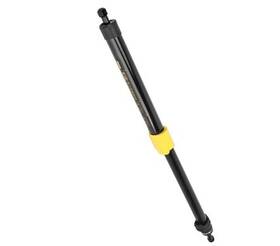
( Manufacturer Part Number: 68907-35081 ), ( Part Type: Lift Driver ), ( Genuine Oem: Yes ), ( Manufacturer Warranty: 1 Year ), ( Fitment Type: Direct Replacement ), ( Year: 2007 2008 2009 2010 2011 2012 2013 2014 ), ( Parts Included: Only Part Reference 7 On The Diagram Is Included ), ( Replaces Part Number: 6890735070, 6890735071, 6890735072, 6890735080 )
Review TOYOTA Genuine Rear Hatch Lift Support Left Driver Side fits CRUISER FJ 2007–2014
The **Toyota 68907-35081 Rear Hatch Lift (Driver s Side) for the FJ Cruiser** is a meticulously engineered, high-quality replacement component designed to restore both functionality and aesthetics to your vehicle s rear cargo area. Crafted from durable, corrosion-resistant materials, this lift gate is built to withstand the rigors of daily use, ensuring smooth operation and long-lasting performance. The design features a sleek, contoured shape that seamlessly integrates with the iconic rugged styling of the FJ Cruiser, maintaining the vehicle s distinctive off-road and adventure-ready appeal. Engineered with precision, the lift gate includes a reinforced frame and robust hinges that guarantee stable closure, preventing sagging or misalignment over time. Whether you re hauling gear for a weekend camping trip, transporting equipment for work, or simply securing cargo for a road trip, this lift gate provides a secure, weather-resistant seal when fully closed, minimizing drafts and keeping your belongings protected from the elements. Compatible exclusively with the driver s side of the FJ Cruiser, this part is a direct-fit replacement, eliminating the need for modifications or adjustments, and ensuring an effortless installation process. Built to Toyota s exacting standards, it delivers the same reliability and durability as the original equipment, making it an ideal choice for owners seeking both performance and authenticity in their restoration or maintenance projects.
Buying a **Toyota 68907-35081 FJ Cruiser rear hatch lift (driver-side)** involves evaluating both its functional benefits and potential drawbacks. Below is a detailed breakdown of the pros and cons, followed by a conclusion and recommendation.
---
### **Pros**
1. **Enhanced Accessibility and Convenience**
The rear hatch lift (often referred to as a "tailgate assist" or "power lift") simplifies loading and unloading cargo, especially for taller or awkwardly shaped items. This feature is particularly useful for outdoor enthusiasts, campers, or anyone who frequently carries bulky equipment like skis, surfboards, or large coolers.
2. **Reduced Physical Strain**
Manual tailgate lifts can be difficult to operate, especially for older drivers or those with limited mobility. A power-assisted or electric lift reduces the effort required to open or close the hatch, lowering the risk of injury.
3. **Compatibility with Aftermarket Modifications**
The FJ Cruiser is a popular platform for off-road and customization projects. A functional rear hatch lift is essential for installing roof racks, cargo boxes, or other modifications that require secure access to the cargo area.
4. **Resale Value and Market Appeal**
Vehicles with well-maintained or upgraded components like a reliable hatch lift tend to hold their value better than those with worn-out or missing parts. Buyers who prioritize functionality over aesthetics may be more inclined to purchase a Cruiser with this feature intact.
5. **Versatility for Outdoor Use**
The FJ Cruiser is designed for adventure, and a functional rear hatch is critical for accessing gear quickly. Whether you're hiking, fishing, or running errands, a smooth-operating lift ensures you can load/unload efficiently without frustration.
6. **Potential for DIY Repairs**
If the lift is non-functional but repairable, this could be an opportunity for a skilled DIYer to restore it, adding value to the purchase. Toyota parts for this component are widely available, and repair guides are plentiful online.
---
### **Cons**
1. **Potential for Mechanical Failure**
Like any mechanical component, the hatch lift mechanism can wear out over time. Common issues include:- **Stuck or jammed lift arms** (due to rust, dirt, or misalignment).
- **Faulty electric motors or solenoids** (if the lift is powered).
- **Broken cables or springs** (in manual systems).
If the lift is non-functional, you ll need to budget for repairs or replacement, which can be costly (parts alone may range from $100 $300, plus labor).
2. **Rust and Corrosion**
The FJ Cruiser is known for its rust susceptibility, particularly in the frame, undercarriage, and hatch mechanism. If the lift is corroded, it may not operate smoothly, and repairs could require extensive work to address underlying rust issues.
3. **Compatibility with Stock or Modified Hatches**
Some aftermarket hatches or modifications (e.g., lifted suspensions, custom frames) may not align properly with the stock lift mechanism. This could lead to misalignment or difficulty in operation after installation.
4. **Weight and Balance Considerations**
A heavy or improperly balanced hatch can strain the lift mechanism, leading to premature wear. If the Cruiser is heavily loaded, the lift may struggle to operate efficiently.
5. **Electrical System Dependence (If Power-Assisted)**
If the lift is electric, it relies on the vehicle s electrical system. Issues like a dead battery, faulty wiring, or a malfunctioning fuse could disable the lift. Manual override options (if available) may not always work smoothly.
6. **Limited Availability of Specialized Parts**
While Toyota parts are generally easy to find, some aftermarket or less common lift mechanisms might require sourcing from specialty suppliers, which could delay repairs.
---
### **Conclusion**
The **Toyota FJ Cruiser rear hatch lift (driver-side)** is a valuable feature for those who prioritize functionality, especially for outdoor activities or cargo hauling. Its pros such as ease of use, reduced strain, and compatibility with modifications make it a worthwhile addition for the right buyer. However, the cons, particularly the risk of mechanical failure, rust, and repair costs, must be carefully considered.
If you are purchasing this Cruiser **with the lift already functional**, it adds significant value and convenience. If the lift is **non-functional**, you ll need to weigh whether the repair cost is justified by your intended use. For adventurers or those who frequently carry gear, restoring the lift is often worth the investment. For casual drivers or those with limited use cases, the lack of a functional lift may be a minor inconvenience compared to other priorities (e.g., engine condition, rust issues, or interior wear).
---
### **Recommendation**
1. **If the lift is working properly:**Proceed with the purchase confidently, as this feature enhances the Cruiser s practicality. Verify that the mechanism operates smoothly (no grinding, sticking, or unusual noises) and that there s no visible rust or damage. If you plan to modify the Cruiser further (e.g., adding a roof rack or cargo box), this will be a major plus.
2. **If the lift is non-functional but repairable:**Budget for repairs (expect $200 $500 depending on the issue). If you re mechanically inclined, consider DIY repairs to save on labor. Ensure the underlying structure (e.g., frame, hatch frame) is rust-free to prevent future problems. If the repair cost exceeds the value it adds to your use of the vehicle, you may prioritize other repairs first.
3. **If the lift is beyond repair or the Cruiser has severe rust:**Decide whether the lack of a functional lift is a dealbreaker. If you don t rely heavily on the rear hatch for cargo, this may not be a critical issue. However, if you plan to use the Cruiser for off-roading, camping, or frequent gear transport, a non-functional lift could significantly reduce its appeal.
4. **For buyers considering this as a project vehicle:**Factor the lift repair into your overall budget for restoring the Cruiser. Prioritize critical systems (brakes, suspension, engine) before addressing cosmetic or convenience features like the hatch lift.
**Final Verdict:**The hatch lift is a **highly desirable feature** for the FJ Cruiser s intended use cases. If it s functional, it s a strong selling point. If not, assess whether repairing it aligns with your budget and priorities. For most outdoor-focused buyers, the lift s value outweighs its potential drawbacks, making it a feature worth investing in.
Details:
Parts must be resalable and in the original packaging. Rear lift gate/hatch lift support. Electrical parts are not returnable. Shipping Carrier substitutions may be made at our determination in an attempt to reduce shipping cost the customer.
part #: 6890735081 prices
- $55.00-$61.99
specifications carlockiio:
- for models: Fj, Cruiser
- for makes: Toyota
- for years: 2007-2014
- mpn: 68907-35081
- part type: Lift Driver
- genuine oem: Yes
- manufacturer warranty: 1 Year
- fitment type: Direct Replacement
- year: 2007 2008 2009 2010 2011 2012 2013 2014
- parts included: Only Part Reference 7 On The Diagram Is Included
- replaces part number: 6890735070, 6890735071, 6890735072, 6890735080
seller carlockiio:
- # reviews: 2629
- rating: 97.6%
- city: Cockeysville, Maryland
payments carlockiio:
- credit card: Diners-club
- wallet: Google-pay
- other
shipping carlockiio:
- transit: 3-9 Days
- cost: $23.59
- carrier: FedEx
- class: Standard
- type: Fixed
- service: FedEx Ground / FedEx Home Delivery
general carlockiio:
- condition: New
- Car Truck Parts Accessories > Exterior Parts Accessories > Exterior Locks Lock Hardware
offer carlockiio:
- started: April 27, 2026
- options: Ship-to-home
- availability: In Stock
- sold: 0
- quantity: 4
returns carlockiio:
- time: 30 Days
- paid by: Seller
- policy: Returns Accepted
Toyota 68907-35081 Is Similar To:
- Toyota Lock Wheel Accessories 00276-42960 Genuine (26.8% similar) This lock set is triple nickel plated and the removal key is included. Product features for 2010 toyota fj cruiser w 16 trad wheels or 17 factory alloy wheel technical details set of 5 genuine toyota alloy wheel lock set in original unopened packaging the 5TH lock is for exterior mounted spares. ...(December 2nd, 2014)
- 101528-3000 Toyota Scion Xa Rear Liftgate Lock Latch Actuator Oem (37.8% similar) Any sign of tampering or attempt to disassemble alter the part will void warranty. This items was previously used and may show some signs of imperfections such as surface scratches, slight fading, dirt stains, scuffs, dents dings normal wear tear. The compatibility list is for reference only. Exact ...(December 4th, 2018)
- 113983 Sienna 99 Toyota Hatch Latch (26.5% similar) Keys key fobs are not included with any listing. The item is used and will appear as such. Surface rust, dust, dirt and or grease are common. Surface rust, dust, dirt and or grease are common. This listing is for one of those items, not all. This listing is for one of those items, not all. Left LHS ...(December 31st, 2015)
- 12 Toyota Sienna Right Rear (32.4% similar) Free shipping only applies to items you keep. For photos with images of the donor vehicle, please request actual part. It may be here tomorrow. Because our standard and hassle-free, 1-YEAR warranty is included with every oem auto part, you'll enjoy the peace of mind you deserve one less part to ...(June 5th, 2017)
- Assebly Lock Rear Toyota Left Hand 4runner 1989-1995 Door (23.7% similar) Does not come with exterior door handle rod clip. It has not been installed and comes with the lock rock clip and inside door handle rod clip. I have a rear door left hand side latch assembly for the years of the toyota 4RUNNER. Any other questions and ill be happy to answer them quickly...(June 11th, 2014)
- 010424 N5510147 01 02 03 2001-2003 Toyota Prius Door Lock Latch Actuator Fl Front Left W Handle (37% similar) Worldwide location front driver side. Part front left driver side door lock actuator with door handle. Fits toyota Prius from 2001 to 2003 warranty yes. Actual pictures. One day shipping available at discount rates. Removed from toyota Prius. 72,000 miles condition used...(December 14th, 2015)
- 2101042536 11-14 Toyota Sienna Rear (26.5% similar) Lift gate service is also extra. Please for a shipping quote. Please for more details before purchasing...(November 5th, 2017)
- 2101042540 11-14 Toyota Sienna Rear (26.5% similar) Please for more details before purchasing. Lift gate service is also extra. Please for a shipping quote...(November 5th, 2017)
- Latch Toyota 25896 4 Striker 92 Oem 93 Driver Left Rear Lock Runner 90 Door 91 (34.6% similar) Taillight and headlight bulbs are not included in the sale. Used computer modules may require programming to work properly. All trims parts are sold without clips mounting hardware...(December 12th, 2014)
- 2a04d075 B Toyota Camry Right Rear Door Lock Latch Actuator (36.5% similar) You are buying on used auto part: 02 toyota Camry right rear door lock latch actuator make sure this part will fit your car: year, make and model. Exchange only. Buyer pays shipping back. This is used part, will need some clean up or washing...(March 23rd, 2019)
- 30728094 Toyota Door Latch Assembly Right Rear Side (31% similar) I use USPS and or FedEx which ever is practical. 0SB this is a used part and may have minor blemishes, scratches or scuffs. May fit other model's. At expedited rate. Up for sale is this toyota 4RUNNER door latch assembly. Normal standard shipping is free to the USA. Sold as shown this should fit ...(September 27th, 2018)