PORSCHE 97050419405 Passenger Fuel Door Filler Gas
fits model: Panamera. make: Porsche. year: 2011–2013.
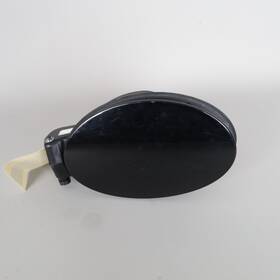
( Manufacturer Part Number: 97050419405 ), ( Storage Location: U1063 ), ( Body Style: Hatchback ), ( Interior Color: Black ), ( Engine: 3.6l ), ( Transmission: Automatic ), ( Oe/oem Part Number: 970-504-194-05; 970.504.194.05; 970 504 194 05 ), ( Placement On Vehicle: Right Passenger ), ( Country Of Origin: Germany ), ( Type: Fuel Door ), ( Brand Type: Genuine Oem ), ( Fitment Notes: Specializedgerman 2025 )
Review PORSCHE Passenger Fuel Filler Gas Door Oem fits PANAMERA 2011–2013
The **Porsche 97050419405 fuel filler gas door assembly** for the **2011 2013 911 Turbo S, 911 GT3, and Panamera (9A1) models** is a precision-engineered component designed to seamlessly integrate with Porsche s signature blend of performance, aerodynamics, and refined craftsmanship. Crafted from high-grade, corrosion-resistant materials, this door assembly features a sleek, contoured design that not only enhances the vehicle s aggressive yet elegant silhouette but also ensures a secure, weather-tight seal when closed. The fuel filler door itself is equipped with a robust, flush-mounted latch mechanism, engineered to withstand the rigors of daily use while maintaining a seamless, aerodynamic profile that minimizes drag a critical consideration for Porsche s high-performance vehicles. The interior surface is finished in a durable, textured coating that prevents moisture buildup and reduces the risk of condensation, further protecting the vehicle s interior from potential water damage. For added convenience and security, the door is designed with a quick-release mechanism, allowing for effortless access to the fuel filler while maintaining a tight seal when not in use. This assembly is fully compatible with the vehicle s integrated fuel system, ensuring proper alignment with the fuel line and filler neck, and is built to meet Porsche s stringent quality standards, guaranteeing a perfect fit and reliable operation. Whether installed on a **Panamera S Hybrid, Panamera 4S, or any other model within the specified range**, this part is an essential component for maintaining the vehicle s performance, aesthetics, and long-term reliability.
### **Pros and Cons of Buying a 2011 2013 Porsche Panamera (9A1, Chassis 97050419405) with a Passenger Fuel Filler Gas Door**
#### **Pros**
1. **Premium Brand and Prestige**
Porsche is a luxury brand with strong resale value, making it a desirable asset. The Panamera was one of the first luxury grand tourers, blending performance with comfort.
2. **Strong Performance**
The 9A1 Panamera (2011 2013) typically comes with a **3.0L V6 twin-turbo (350 385 hp)** or **4.8L V8 (425 hp)** engine, delivering impressive acceleration and handling. The 9A1 is also lighter than later models, contributing to better dynamics.
3. **Luxury and Comfort**
The interior is high-quality, with premium materials, advanced infotainment (optional), and a spacious cabin. The ride is refined, making it comfortable for long drives.
4. **Reliability (Compared to Competitors)**
While no car is perfect, the 9A1 Panamera is generally more reliable than some of its direct competitors (e.g., early BMW 6 Series, Audi A8). The twin-turbo V6 is robust if maintained properly.
5. **Fuel Filler on Passenger Side (Convenience)**
Having the fuel filler door on the passenger side is a practical feature, especially for rear-seat passengers who may need to refuel.
6. **Potential for Modifications**
The Panamera s performance and luxury appeal make it a candidate for aftermarket upgrades (exhaust, suspension, interior mods), though Porsche s strict warranty policies may limit some options.
7. **Good Resale Value (If Well-Maintained)**
Porsche models hold value well, especially if service records are complete. A well-kept 9A1 can still command a premium in the used market.
---
#### **Cons**
1. **Higher Maintenance Costs**
Porsche parts and labor are expensive. Routine maintenance (oil changes, brake jobs, timing belt replacement) will cost significantly more than for a BMW, Audi, or Mercedes.
2. **Twin-Turbo V6 Reliability Concerns**
The **3.0L twin-turbo V6** (common in 2011 2013 models) has a reputation for **carbon buildup on intake valves**, which can lead to **rough idling, loss of power, or even engine failure** if not addressed. This issue is more severe than in later models with direct injection.
- **Solution:** Regular valve-clearing procedures (every 30,000 50,000 miles) are **critical**. Some owners use **carbon-cleaning additives** (like Liqui Moly Jectron) or **manual valve cleaning** to mitigate the problem.
3. **Electrical and Infotainment Issues**
Early 9A1 models (especially 2011 2012) had **software glitches** in the infotainment system (e.g., touchscreen freezing, Bluetooth connectivity problems). Later models (2013 ) improved this, but repairs can be costly.
4. **Transmission Problems (If Automatic)**
The **PDK dual-clutch automatic** (available in some models) has had reports of **premature wear** and **electrical faults**. Manual transmission models are generally more reliable.
5. **Corrosion Risks (Especially in Snowy Climates)**
The 9A1 has **aluminum-intensive construction**, which can lead to **corrosion in wheel wells, rocker panels, and underbody** if not properly maintained. Rust is a common issue in older Porsches.
6. **Limited Aftermarket Support**
While Porsche has a strong aftermarket, some modifications (e.g., exhaust, suspension) are **less refined** than those available for BMWs or Audis. Tuning can void warranties and may not be worth the risk.
7. **Fuel Economy is Average for a Luxury SUV**
The V6 model gets around **18 20 MPG highway**, and the V8 is even worse ( 16 MPG). This is not as efficient as a BMW 5 Series or Audi A6.
8. **Potential for Hidden Damage**
Porsche s **high value** makes it a target for **salvage titles, flood damage, or accident repairs**. Always verify the **service history, accident records (Carfax/AutoCheck), and flood-test results**.
---
### **Key Considerations Before Buying**
1. **Service History is Non-Negotiable**
- **Oil changes every 5,000 7,500 miles** (Porsche recommends 7,500, but synthetic oil allows longer intervals).
- **Timing belt replacement** (every 60,000 90,000 miles, depending on model).
- **Carbon buildup mitigation** (if V6, confirm the owner has done valve-clearing procedures).
- **No major accident or frame damage** (get a **pre-purchase inspection** from a Porsche specialist).
2. **Test Drive for Common Issues**
- **Check for rough idling** (sign of carbon buildup).
- **Listen for unusual noises** (whining from the turbo, rattles from suspension).
- **Test all electronics** (windows, locks, infotainment, climate control).
- **Verify fuel filler door operation** (ensure it seals properly).
3. **Budget for Future Costs**
- **Annual maintenance** (filters, fluids, tires) can cost **$1,500 $3,000/year**.
- **Unexpected repairs** (e.g., turbo failure, electrical issues) can exceed **$3,000 $5,000**.
- **Insurance** will be higher than for a BMW or Audi of similar value.
4. **Alternative Options**
- If the **carbon buildup concern** is a dealbreaker, consider a **2014 Panamera** (direct-injection V6) or a **BMW 650i** (more reliable twin-turbo V8).
- If **budget is tight**, a **used 997.5 911 (2009 2012)** or **991 (2012 )** may offer better value.
---
### **Final Recommendation**
**Buy the 2011 2013 Porsche Panamera (9A1) if:**You **prioritize prestige and driving dynamics** over practicality.
The **seller provides a complete service history**, especially **carbon buildup mitigation**.
You are **prepared for high maintenance costs** and can afford **unexpected repairs**.
The **fuel filler door location** is a **must-have feature** for you.
You **plan to keep it for at least 5 7 years** (long-term ownership justifies the investment).
**Avoid or Negotiate Hard if:**The **service history is incomplete or unverifiable**.
The **car shows signs of rough idling, turbo whine, or electrical issues**.
The **seller refuses a pre-purchase inspection** by a Porsche specialist.
You **cannot afford $1,500 $3,000/year in maintenance** on top of fuel and insurance.
**Best Approach:**- **Get a pre-purchase inspection** from a **Porsche-certified mechanic**.
- **Verify no flood damage or salvage title** (use **Carfax/AutoCheck**).
- **Negotiate aggressively** if the car has **carbon buildup risks** or **missing maintenance**.
- **Consider a manual transmission** (if available) for better reliability than PDK.
**Final Verdict:**The **2011 2013 Porsche Panamera (9A1) is a fantastic car for the right buyer** one who values **luxury, performance, and brand prestige** and is willing to **budget for Porsche s high maintenance costs**. However, **buyers must be diligent about service history and carbon buildup risks** to avoid costly surprises. If you meet these conditions, it can be a **great long-term investment**; otherwise, alternatives like a **later-model Panamera or a BMW 6 Series** may offer better reliability.
Details:
Model: Panamera. Country/Region of Manufacture: Germany. Condition: Used. BMW Porsche Audi VW Other Makes.
Stock Number: 24471. Manufacturer Part Number. Storage Location: U1063. Color: Black.
Mileage: 76445. Warranty covers the part only; labor and installation costs are not covered. Make: Porsche.
part #: 97050419405 prices
- $118.41-$196.68
specifications carlockiio:
- for models: Panamera
- for makes: Porsche
- for years: 2011-2013
- mpn: 97050419405
- storage location: U1063
- body style: Hatchback
- interior color: Black
- engine: 3.6l
- transmission: Automatic
- oe/oem part number: 970-504-194-05; 970.504.194.05; 970 504 194 05
- placement on vehicle: Right Passenger
- country of origin: Germany
- type: Fuel Door
- brand type: Genuine Oem
- fitment notes: Specializedgerman 2025
returns carlockiio:
- policy: Returns Accepted
- time: 30 Days
- paid by: Buyer
payments carlockiio:
- check
- other
- money order
- credit card: Diners-club
- cash
- wallet: Apple-pay
shipping carlockiio:
- cost: $0.00
- service: USPS Ground Advantage, UPS Ground
- carrier: USPS, UPS
- type: Fixed
- transit: 3-7 Days
- class: Standard
offer carlockiio:
- started: February 23, 2026
- quantity: 1
- sold: 0
- availability: In Stock
- best offers: True
- options: Ship-to-home
seller carlockiio:
- # reviews: 75442
- rating: 99.9%
- city: Rancho Cordova, California
general carlockiio:
- Car Truck Parts Accessories > Exterior Parts Accessories > Exterior Locks Lock Hardware
- condition: Used
Porsche 97050419405 Is Similar To:
- 000-043-303-42-1e0 Porsche Genuine Cover Door (28.8% similar) Electrical parts are not returnable. Our porsche parts team is here to help. You can trust porsche bulling parts to be your source for all and accessories needs. Shipping carrier substitutions may be made at our determination in an attempt to reduce cost the customer. Parts must be resalable and in ...(October 9th, 2017)
- 000-043-303-43-1e0 Porsche Genuine Cover Door (28.8% similar) Parts must be resalable and in the original packaging. You can trust porsche bulling parts to be your source for all and accessories needs. Our porsche parts team is here to help. Electrical parts are not returnable. Shipping carrier substitutions may be made at our determination in an attempt to ...(October 9th, 2017)
- 50489 Boxster 1999 Porsche Trunk Lock Cylinder W O Key Oem 181.po1s99 (26.8% similar) No expedited shipping is available. If an item arrives damaged, please via message within 24 hours for instructions...(October 4th, 2016)
- 2005 Porsche 911 Lh Left Front Door Latch Used 181.po1x05 (36.9% similar) PO1X05 stock before buying please review all pictures and make sure this item is a exact match fit for your jaguar land rover. All shipping prices listed are for the continental USA...(June 1st, 2016)
- 2erozm Suspensionmasters Front Left Door Lock Latch Actuator For Porsche Cayenne (15.7% similar) Damper h-beam connecting rods set for ford escort RS2000 MK5 MK6 149. If you paid item shipped on est. Opening hours: 7X24 hours, always here for you. 1ST at 4:30AM APR. height complete strut gas shock conversion kit for Cadillac Escalade RSV luxury sport scion CB damper clover suspension absorbs ...(July 1st, 2019)
- 610 43055 001 Wd Express Door Latch Cable Fits Porsche (29.9% similar) Always read item specifics and use compatibility guide. Every listing is for a quantity of 1, unless it says its set or kit. Central valley wholesale goods which has the largest selection of Victorians Swiss army knives and parts import car for European Asian cars. Price is for 1 - adjust quantity ...(September 4th, 2018)
- 64453170101 Stoddard Brand New Porsche Door Latch Striker Piece Kit (20% similar) This can be shipped anywhere worldwide. Weir spreeing porsche. Here is a brand new studded porsche 14 piece 3 hole door striker kit as used on 356A 356B 356C 356SC model's. Please see pictures. No surprises here...(November 2nd, 2018)
- 69-89 Assembly-genuine Lock Porsche Fits 911 Left Door Front (25.6% similar) A 3 month warranty will apply for remanufactured items...(November 22nd, 2014)
- 7l0 823 509 A Porsche Cayenne Front Hood Bonnet Lock Latch Actuator Cable Oem (30.7% similar) This listing is for a used porsche oem front hood bonnet lock latch actuator w cable part 7L0 will fit cayenne cars donor vehicle: 2006 buyer pays all return shipping costs. Shipping costs are only covered on a case by BASISLOC33...(October 30th, 2018)
- 7l0839016e 08 Cayenne S Awd Porsche 957 L Rear Door Lock Latch Actuator 80 403 (27.8% similar) You are purchasing the used driver rear door lock latch actuator build up notice rivets part 7L0. This assembly may have imperfections and is in excellent working condition and ready to install...(August 14th, 2016)
- 7l5827505 Oem Porsche Cayenne 955 (24.5% similar) Will fit porsche cayenne may other year model's check fitment with dealer. Lower 48 states. 5 v8 AWD automatic 955 WP1AB29P24LA74310 220K miles this is an oem rear lift gate latch assembly. Check with dealer. Buyer pays return shipping. Pictures and part numbers are provided for fitment information...(December 16th, 2017)