CW DL513LH Body El Door Lock Latch Lh
fits model: Gto, Chevelle, Impala, Cutlass, Camino. year: 1968.
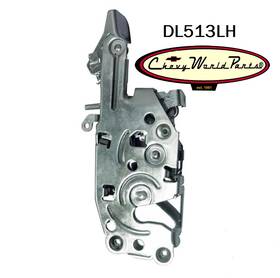
( Brand: Cw ), ( Manufacturer Part Number: DL513LH ), ( Part Type: Door Lock Latch ), ( Country Of Origin: United States )
Review CW Inch Body El Door Lock Latch Assembly Lh fits CHEVELLE IMPALA CUTLASS CAMINO GTO 1968
The **CW DL513LH 1968 Body Chevelle/Impala/GTO/Cutlass/El Camino Left-Hand Door Lock Latch** is a meticulously crafted, high-performance replacement part designed to restore authenticity and reliability to classic American muscle cars from the late 1960s. This latch mechanism is a direct fitment for the left-hand door of iconic Chevrolet models, including the legendary **1968 Chevelle SS, Impala SS, GTO, Cutlass Supreme, and El Camino**, ensuring seamless integration with the original body structure while maintaining the same robust functionality as the factory unit. Engineered from durable, corrosion-resistant materials, this latch features a smooth-operating lever action with a polished chrome finish that complements the vintage aesthetic of these timeless vehicles. The design incorporates a secure, spring-loaded mechanism that guarantees a tight seal, preventing unwanted door rattles and ensuring a quiet, snug closure critical for both performance and comfort. Whether restoring a show-quality classic or upgrading a daily driver, this latch provides the perfect blend of authenticity and modern durability, allowing enthusiasts to preserve the mechanical integrity of their vehicle while enhancing its visual appeal. Built to withstand the test of time, the **CW DL513LH** is a precision-engineered solution for those seeking flawless fitment and long-lasting performance in their beloved muscle cars.
### **Pros and Cons of Buying a 1968 Body Chevelle (Impala/GTO/Cutlass/El Camino) with a Door Lock Latch (LH)**
#### **Pros**
1. **Classic American Muscle Car Heritage** The 1968 Chevelle body style is iconic, representing the golden era of American muscle cars. Models like the GTO, SS, and L88 are highly sought after for their performance and cultural significance.
2. **Strong Engine Options** The Chevelle was available with a variety of powerful engines, including:- **327 ci V8** (275 375 hp, depending on carburetion)
- **350 ci V8** (290 375 hp)
- **L78 396 ci V8** (375 425 hp)
- **L88 427 ci V8** (430 hp, one of the most legendary muscle car engines)
- **307 ci V6** (for more refined or budget-friendly options)
This flexibility allows buyers to choose based on performance needs or budget.
3. **Durability and Reliability (When Well-Maintained)** Many Chevelle engines and drivetrains are known for longevity, especially the small-block V8s (327, 350, 402). With proper maintenance, these cars can last decades.
4. **Aftermarket Support** The Chevelle platform has been around for over 50 years, meaning there is extensive aftermarket support for parts, modifications, and restoration. Performance upgrades (intakes, exhausts, fuel systems) are widely available.
5. **Customization Potential** The Chevelle s body style is versatile, allowing for a wide range of modifications, from restomod builds to full restorations. Owners can tailor the car to their preferences, whether for street performance, show car appeal, or daily driving.
6. **Strong Resale Value (For Well-Known Models)** Certain Chevelle variants, particularly the **GTO, SS 396, and L88**, hold their value well, especially if they are in good condition or have historical significance.
7. **Driving Experience** The Chevelle s handling, suspension, and power delivery (especially with modern upgrades) provide a thrilling yet manageable driving experience. The V8 options offer a deep, growling exhaust note that is highly desirable.
8. **Community and Enthusiast Culture** There is a large and passionate community of Chevelle owners, with clubs, forums, and events dedicated to these cars. This makes finding parts, advice, and camaraderie relatively easy.
---
#### **Cons**
1. **Potential for Rust and Structural Issues** Many 1968 Chevelle bodies (especially those from the late '60s) suffer from rust, particularly in the floor pans, rocker panels, and wheel wells. A thorough inspection is critical to avoid buying a car with hidden rust damage that could compromise safety or structural integrity.
2. **Originality vs. Restoration Trade-Off** Fully original 1968 Chevelles are rare and often expensive. Many buyers opt for restorations or restomods, which can be costly. If you want an original car, you may need to spend significantly more or settle for a less desirable model.
3. **Engine and Drivetrain Wear** Depending on the car s history, the engine, transmission, and drivetrain components (axles, diff, suspension) may require significant work. Older manual transmissions (like the Muncie M20/M21) and automatic transmissions (Powerglide, Turbo Hydramatic 350) can be finicky and may need rebuilding.
4. **Fuel and Emissions Compliance** Modern fuel standards and emissions regulations can be a challenge for older cars. If you plan to drive the Chevelle legally on the road, you may need:
- **Modern fuel** (higher octane may be required for high-compression engines).
- **Emissions modifications** (catalytic converters, EGR deletions, or smog compliance).
- **Inspection stickers** (in states with annual emissions testing).
These can add to the cost of ownership.
5. **High Maintenance Costs** While the engines are durable, older cars require more frequent maintenance than modern vehicles. This includes:- **Regular oil changes** (synthetic oil is recommended for longevity).
- **Suspension and steering components** (ball joints, bushings, tie rods).
- **Brakes** (drum or disc, depending on the model; often requiring upgrades).
- **Electrical system** (alternators, starters, wiring harnesses can be finicky).
6. **Insurance and Storage Challenges** Insuring a classic muscle car can be expensive, especially if it s a high-performance model like an L88. Additionally, storing the car (especially in a climate-controlled environment) can be costly if you don t have a garage.
7. **Driving Limitations** While Chevelles are fun, they are not as efficient or comfortable as modern cars. Fuel economy will be poor (around 10 15 MPG for V8 models), and long-distance driving may be less enjoyable due to vibration, noise, and less refined suspension.
8. **Finding a Reliable Example Can Be Difficult** Many Chevelles on the market are either poorly maintained, heavily modified, or have hidden issues. Due diligence (or hiring a mechanic to inspect the car) is essential to avoid buying a money pit.
9. **Legal and Registration Hurdles** Some states have strict regulations for classic cars, including:- **Originality requirements** (certain models may need to meet specific criteria to avoid modern parts penalties).
- **Title issues** (salvage, rebuilt, or flood-damaged titles can complicate ownership).
- **Homologation or street-legal requirements** (some cars may need modifications to meet modern safety standards).
10. **Time and Effort Required** Owning a classic car is not just about driving; it often requires significant time for maintenance, detailing, and occasional repairs. If you re not willing to invest time in upkeep, the car may become a burden.
---
### **Conclusion**
Buying a 1968 Chevelle body (Impala, GTO, Cutlass, or El Camino) with a door lock latch (LH) can be an incredibly rewarding experience for an enthusiast who appreciates classic American muscle cars. The combination of power, heritage, and customization potential makes these cars highly desirable. However, they also come with challenges, including rust, maintenance costs, and the need for careful inspection to avoid hidden issues.
If you are prepared for the time, effort, and expense required to maintain or restore the car, a Chevelle can be an excellent investment both financially (for well-preserved models) and personally (for the joy of driving and owning a piece of automotive history). On the other hand, if you re looking for a low-maintenance, modern vehicle, this is not the right choice.
---
### **Recommendation**
1. **Set a Clear Budget** Decide whether you want an original car, a restored car, or a project car. Factor in not just the purchase price but also restoration, maintenance, insurance, and storage costs.
2. **Prioritize Condition Over Originality** A well-maintained, drivable Chevelle in good mechanical condition is more valuable than an original car that s falling apart. Look for:
- **No major rust** (especially in the frame, floor pans, and suspension components).
- **A reliable engine and transmission** (preferably with service records).
- **Functional electrical and drivetrain systems** (brakes, steering, suspension).
- **A clean title** (avoid salvage or rebuilt titles unless you re prepared for extra work).
3. **Choose the Right Model**
- **For performance:** L88, SS 396, or GTO with a 396/427 ci engine.
- **For reliability:** A 327 or 350 ci V8 with a manual transmission (Muncie M20/M21) or a reliable automatic (TH350).
- **For daily driving:** A more refined model like a Cutlass or Impala with a V6 or less aggressive V8.
4. **Get a Professional Inspection** Always have a trusted mechanic inspect the car before purchasing. Pay special attention to:- **Engine compression and leaks** (head gaskets, oil leaks).
- **Transmission and drivetrain** (synchros, axles, diff seals).
- **Suspension and steering** (ball joints, bushings, tie rods).
- **Body rust** (especially in hidden areas like the wheel wells and undercarriage).
5. **Consider a Restomod Over a Full Restoration** If you want a drivable, modernized Chevelle without the expense of a full restoration, a restomod (restoration/modification) can be a cost-effective middle ground. This involves updating the car with modern parts (fuel injection, suspension, brakes) while keeping the original body.
6. **Join the Chevelle Community** Engage with forums (like Chevelle.net, MuscleCarForum, or Facebook groups) to learn from experienced owners, find parts, and get advice on specific models.
7. **Plan for Long-Term Ownership** If you re
Details:
TeXes pxzj1274 TeXes-12 NEW REPRODUCTION DOOR LOCK LATCH ASSEMBLY, FOR THE LEFT SIDE. 1968 68 A BODY CHEVELLE IMPALA GTO CUTLASS EL CAMINO DOOR LOCK LATCH ASSEMBLY LEFT SIDE.
specifications carlockiio:
- for models: Gto, Chevelle, Impala, Cutlass, Camino
- for years: 1968
- brand: Cw
- mpn: Dl513lh
- part type: Door Lock Latch
- country of origin: United States
offer carlockiio:
- options: Ship-to-home
- quantity: 1
- started: February 12, 2026
- sold: 0
- availability: In Stock
seller carlockiio:
- city: Bryant, Alabama
- rating: 99.6%
- # reviews: 22884
general carlockiio:
- condition: New
- Car Truck Parts Accessories > Exterior Parts Accessories > Exterior Locks Lock Hardware
returns carlockiio:
- paid by: Seller
- time: 30 Days
- policy: Returns Accepted
shipping carlockiio:
- class: Expedited
- cost: $0.00
- carrier: USPS
- type: Fixed
- service: USPS Priority Mail
- transit: 6-13 Days
payments carlockiio:
- credit card: Visa
- wallet: Apple-pay
- other