CLASSIC INDUSTRIES TF400424 Bel Air Door Lock Rods 150 210
fits model: Nomad. make: Chevrolet. year: 1955-57.
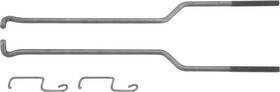
( Brand: Classic Industries ), ( Manufacturer Part Number: TF400424 ), ( Part Type: Door Lock Rod )
Review CLASSIC INDUSTRIES Chevrolet Bel Air 150 210 Door Lock Rods And Sedan Pair fits NOMAD 1955-57
The **1955-1957 Chevrolet Bel Air 150/210 Nomad Door Lock Rods (TF400424)** are meticulously crafted, high-quality replacement components designed to restore the precise functionality and classic charm of your vintage Chevrolet Nomad. These rods are engineered to replicate the original factory specifications, ensuring a seamless fit and reliable operation for the iconic 1955 through 1957 Bel Air models, including both the 150-inch and 210-inch wheelbase versions. Crafted from durable, corrosion-resistant materials, these rods are built to withstand the test of time, just like the originals, while maintaining the smooth, responsive action that enthusiasts expect from their restored Nomads. Whether you're working on a show-quality restoration or a daily-drive project, these lock rods deliver the authenticity and performance needed to complete your build with confidence. Their straightforward design and easy installation make them an essential part of any Nomad restoration, ensuring that doors open and close with the same effortless precision as they did when the vehicle rolled off the factory line. Perfect for collectors, restorers, and vintage car aficionados, these rods bridge the gap between originality and modern reliability, allowing you to preserve the heritage of this legendary Chevrolet model.
### Pros and Cons of Buying a Classic 1955-57 Chevrolet Bel Air Nomad (150/210) with Door Lock Rods
#### **Pros:**1. **Iconic Design and Nostalgia** The 1955-57 Chevrolet Bel Air Nomad is a legendary American car with a distinctive, mid-century styling that appeals to enthusiasts. Its tailfins, chrome accents, and bold grille make it a standout vehicle, offering a tangible connection to automotive history.
2. **Strong Engine Options** The 1955-57 models came with powerful inline-six (235/265/283 ci) or V8 (265/283 ci) engines, many of which are still capable of solid performance with proper maintenance. The 283 V8, in particular, is a favorite among restorers for its balance of power and reliability.
3. **Classic Camper Van Chassis** The Nomad was essentially a Bel Air chassis with a built-in camper shell, making it a practical yet stylish option for road trips or weekend getaways. The original camper design is highly sought after, adding to its charm.
4. **Restoration Potential** Many of these vehicles are available in various states of completion, from "project cars" to partially restored models. Skilled restorers can bring them back to showroom condition, and the parts market remains robust, though some components are rare.
5. **Community and Events** Owning a classic Nomad grants access to a passionate owner community, car shows, and cruising events. The car s rarity and desirability make it a great conversation starter and a centerpiece for automotive gatherings.
6. **Potential for Customization** Beyond restoration, owners can modify these vehicles with modern upgrades (suspension, brakes, electronics) while preserving their vintage aesthetic. Some enthusiasts even convert them into modern camper vans.
7. **Investment Potential** Well-preserved examples, especially those with original camper shells or low mileage, can appreciate in value over time. The classic car market continues to grow, and Bel Air Nomads are considered collectible.
---
#### **Cons:**1. **High Maintenance and Restoration Costs** Classic cars, especially those with original camper shells, require significant upkeep. Rust, worn suspension, outdated electrical systems, and rare parts (like door lock rods) can add up quickly. A full restoration may cost tens of thousands of dollars.
2. **Rust and Structural Issues** Many 1955-57 Chevrolets suffer from rust, particularly in the floor pans, rocker panels, and rear quarters. A thorough inspection is critical to avoid hidden structural problems that could compromise safety.
3. **Limited Modern Comforts** Original Nomads lack modern amenities like air conditioning, power steering, and reliable fuel injection. Driving one may feel less comfortable than a contemporary vehicle, especially on long trips.
4. **Parts Availability and Cost** While some parts are still produced by aftermarket suppliers, others (e.g., original door lock rods, camper shell components) are difficult to find. Prices for rare parts can be inflated, and shipping costs may apply.
5. **Insurance Challenges** Classic car insurance is more expensive than standard auto insurance, and coverage may be limited for high-mileage or unrestored vehicles. Some insurers require the car to be stored securely and used sparingly.
6. **Driving Limitations** The original suspension and brakes are not designed for modern highways. Handling, braking distance, and ride comfort may be inferior to newer vehicles. Some owners modify the suspension or brakes for better performance.
7. **Time-Consuming Ownership** Restoring or maintaining a classic Nomad is a labor of love. It requires mechanical skill, patience, and a willingness to dedicate time to projects. For busy owners, this can be a significant drawback.
8. **Depreciation Risk** Unlike some classic cars that hold or increase in value, Nomads (especially those with heavy modifications or poor documentation) may depreciate over time. Buyers should research recent sales of similar models to gauge fair market value.
---
### **Conclusion:**Buying a 1955-57 Chevrolet Bel Air Nomad is a rewarding but demanding endeavor. It s ideal for enthusiasts who appreciate vintage automotive craftsmanship, enjoy restoration projects, and value the car s unique blend of style and utility. However, it s not a practical daily driver or a low-maintenance investment. The key to success lies in thorough research, budgeting for restoration costs, and ensuring the vehicle s structural integrity before committing.
### **Recommendation:** If you re considering this purchase, follow these steps:1. **Inspect Thoroughly** Have a trusted mechanic or classic car specialist examine the vehicle for rust, engine condition, and electrical systems. Look for signs of prior damage or poor repairs.
2. **Verify Documentation** Check for original build records, service history, and authenticity of parts (e.g., camper shell, engine). A well-documented car will be easier to restore and insure.
3. **Budget Realistically** Account for restoration costs, insurance, storage, and potential downtime. Factor in the opportunity cost of time spent on the project.
4. **Start with a Restored Example** If you re not ready for a full restoration, consider buying a Nomad that s already been restored to showroom condition. This eliminates the guesswork and allows you to enjoy the car immediately.
5. **Join the Community** Connect with Bel Air Nomad owner groups (online or at car shows) for advice, part sourcing, and restoration tips. The community can provide invaluable insights and support.
6. **Prioritize Safety** Ensure the vehicle meets modern safety standards (e.g., updated brakes, suspension, and seatbelts) before frequent use, even if it s not a full restoration.
For the right buyer someone with mechanical skills, patience, and a passion for classic cars the 1955-57 Chevrolet Bel Air Nomad is a fantastic investment in automotive heritage. For others, the challenges may outweigh the rewards, making it wise to consider a more modern or lower-maintenance classic vehicle instead.
Details:
Sold in pairs. Each rod is manufactured to correct factory specifications. 1955-57 Chevrolet Bel Air 150 210 Nomad; Door Lock Rods; 2/4 Sedan; Pair: Reproduction of the original inner door lock rods designed for use with Nomad sedan model's. The rods runs from the door lock knob to latch.
Includes 2 rods and clips.
part #: tf400424 price
- $12.99
specifications carlockiio:
- for models: Nomad
- for makes: Chevrolet
- for years: 1955-57
- brand: Classic Industries
- mpn: Tf400424
- part type: Door Lock Rod
payments carlockiio:
- credit card: Mastercard
- wallet: Google-pay
- other
general carlockiio:
- Car Truck Parts Accessories > Exterior Parts Accessories > Exterior Locks Lock Hardware
- condition: New
shipping carlockiio:
- carrier: USPS, UPS, FedEx
- class: Standard, Expedited
- transit: 4-9 Days
- service: USPS Ground Advantage, UPS Ground, UPS 2nd Day Air, FedEx Ground / FedEx Home Delivery
- type: Calculated
- cost: $6.56
returns carlockiio:
- time: 30 Days
- paid by: Seller
- policy: Returns Accepted
offer carlockiio:
- quantity: 3
- sold: 0
- options: Ship-to-home
- started: May 31, 2026
- availability: In Stock
seller carlockiio:
- # reviews: 65383
- city: Huntington Beach, California
- rating: 99.7%
Classic Industries TF400424 Is Similar To:
- Cl424 Classic Set Lock 61-62 Locks Chevy (28.4% similar) ...(October 6th, 2014)
- Classic Land Allmakes4x4 Discovery Rover Lh Mtc9203 Door Latch Rear Range (31% similar) Rear door latch LHS part MTC9203 fits range Classic discovery...(June 13th, 2014)
- Cl-104a Classic Lock Camaro Truck Chevelle Ignition Door Kit Original (34.1% similar) ...(June 16th, 2018)
- Front 1 Range Land Door Rover Latch Mtc7593 Classic Discovery (13.6% similar) This is for the right front passenger. This is a factory item. I have no use and need to get rid of them. Will fit discovery series I or range rover Classic. For sale are brand new, oem land rover discovery series 1 or range rover Classic door latch. Land rover part MTC7593. These items are far ...(October 8th, 2014)
- Rover Gate Land Passenger Actuator Rr Oem Prc3916 Door Classic Disco Tail (16.1% similar) Tail gate passenger door actuator part PRC3916 fits range Classic discovery...(June 13th, 2014)
- Prc8098 Land Rover Front Door Lock Actuator Early Range Classic (35.4% similar) Free priority shipping...(October 4th, 2018)
- W-066 Classic Headquarters Chevrolet Door Lock Bellcrank Assembly (42.2% similar) ...(October 30th, 2018)
- 1555f Classic Auto Locks New Complete Lock Set For Ford Galaxie (35.4% similar) You are purchasing a new ignition-door-trunk-glove box lock set that fits ford GALAXIE,1966-68; fair lane, 1967 ; mustang 1967 -68; set contains one ignition lock, two door locks; one trunk lock, one glove box lock and one set of oem ford script keys and one non-script spare set. New condition...(January 20th, 2022)
- Az005 Viogi Tailgate Door Lock For Silverado Sierra Classic (28.8% similar) 2004-2006 chevrolet Silverado 1500 hybrid extended cab pickup. 2000 -2006 chevrolet Silverado 1500 ls extended cab pickup. 2000 -2006 chevrolet Silverado 1500 extended cab pickup. 2003 -2006 chevrolet Silverado 1500 ss extended cab pickup. New condition...(February 14th, 2022)
- Door Lock Actuator Set For 2007 Chevy Silverado 1500 Classic Qc958zh (18.9% similar) Notes: power door lock actuator pair driver passenger side; without joyless entry. 2007 chevrolet Silverado 1500 Classic. Quantity: 2 piece set. Quality tested - built to a strict level of product standards. New condition...(September 12th, 2022)
- Front Left Door Lock Actuator For Silverado 1500 Hd Classic 2007 (26.7% similar) For chevrolet Silverado 1500 2005 base. For chevrolet Silverado 1500 2005 ls 4.3 V6. For chevrolet Silverado 1500 2006 wt. For chevrolet Silverado 1500 2006 wt 4.8 V8. For chevrolet Silverado 1500 2006 ls. New condition...(September 20th, 2022)